The Difference Between Alone and Lonely
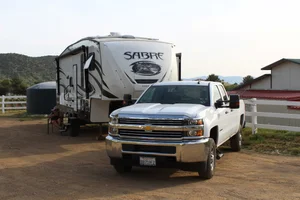
There is a profound difference between being alone and feeling lonely, a distinction that took me years to truly grasp. Before I embraced full-time nomadic living, I often used these words interchangeably. Being alone simply meant no one else was present, and loneliness was the inevitable outcome when that condition persisted. Nine years on the road have taught me otherwise. I have spent countless nights in remote places, miles from the nearest person. I have sat outside my fifth wheel in the desert, surrounded only by mountains, stars, wind, and my own thoughts. I have eaten meals, driven hundreds of miles, and watched sunsets in solitude. I have woken up in places with no one to greet but myself. Yet, many of these moments have been among the most peaceful of my life. Conversely, I have also found myself in crowded rooms, surrounded by people, and felt utterly alone. This is when the true difference began to reveal itself. Being alone is a circumstance; loneliness is a much deeper state of being. When I began living on the road full-time July of 2017, I anticipated periods of solitude; it came with the territory. What I did not foresee was how deeply I would come to appreciate them.
The world most of us inhabit is saturated with noise: work, traffic, television, phones, meetings, obligations, conversations, and expectations. There is almost always something vying for our attention. For years, I rarely had to sit quietly with myself for long.
The road changed that. Out here, quiet is not something you seek; it simply exists. When the generator shuts down, the phone stops ringing, and the sun dips behind the mountains, there may be nothing left but you. Initially, this kind of quiet can feel strange, even uncomfortable. You begin to hear thoughts that everyday life was adept at masking. This, I believe, is why many people struggle with being alone. It is not always the absence of others that troubles us, but sometimes the sudden, undeniable presence of ourselves.
There are no distractions, no audience, no conversations to hide behind, no schedule demanding the next task. Just you. And if you have never learned to enjoy your own company, that can be a challenging place to be. Some of my most cherished moments on the road occur when I am by myself: a quiet cup of coffee outside before the campground stirs, a long drive across an empty stretch of highway, watching weather systems move across the desert from under my awning, or standing in a breathtaking landscape with no one beside me. These moments do not feel empty; they feel expansive.
There is a liberating quality to having no one demand anything from you, even for a short while. No questions, no expected conversations, no need to perform a version of yourself for anyone else's comfort. You simply exist. I have learned that solitude can be profoundly restorative when you stop viewing it as something to be "fixed." This realization is perhaps one of the greatest gifts this lifestyle has given me: I am now comfortable with myself in a way I never was before.This does not mean I never desire company or that I undervalue relationships; quite the opposite.
Learning to be alone has deepened my appreciation for meaningful connections because I no longer need constant company simply to avoid silence. Loneliness does not require an empty campsite; you can experience it in a crowded room, across the table from someone you love, or at work surrounded by longtime colleagues. It can exist within a relationship, a family, a community, or even a marriage.
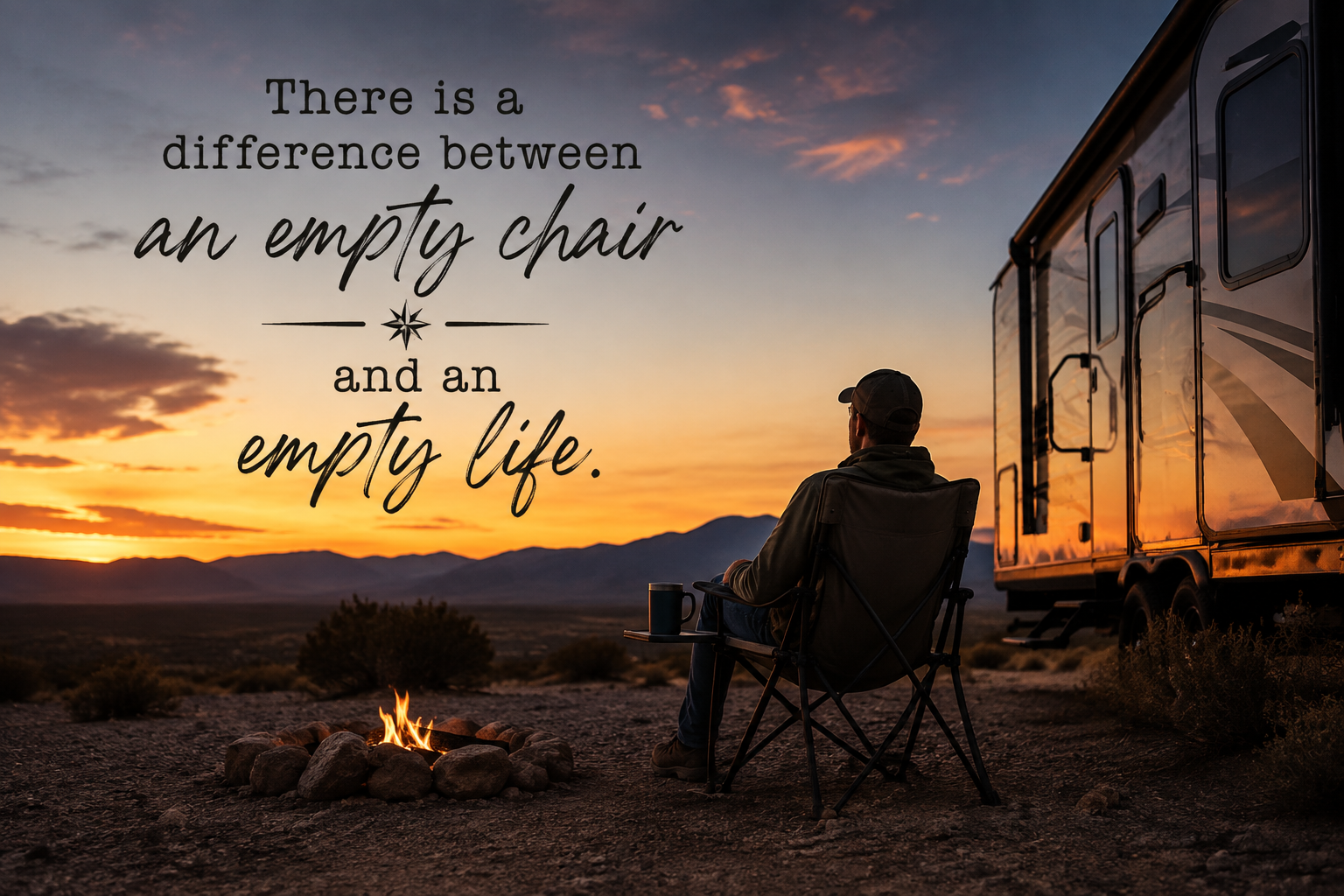
This is because loneliness is not merely about physical presence; it is about whether you feel connected, understood, and seen. It is about whether you believe there is a space where you can be your authentic self without constant self-translation. This is why loneliness can sometimes hurt more when people are around. When you are physically alone, the absence of connection makes sense. But when surrounded by others and still feeling disconnected, the emptiness becomes far harder to explain. The road taught me this lesson in unexpected ways. There have been stretches where I intentionally sought solitude and felt completely content. And there have been times when, among people, I realized that proximity does not automatically create connection. Being near someone is not the same as being known by them. I believe there comes a point when you must become someone whose company you can not only tolerate but perhaps even enjoy. This sounds simple until you actually try it. We invest immense time in building relationships with others, yet many of us spend surprisingly little time cultivating one with ourselves. We learn what everyone else likes, needs, and expects. We become husbands, wives, parents, employees, friends, professionals, caregivers, and whatever other roles life assigns us. Then, one quiet day, all those identities momentarily fall silent, and you are left with a more fundamental question: Who are you when no one needs you to be anything?The road has given me ample time to ponder this question.I still do not believe I have fully answered it, and perhaps none of us ever do. But I know myself better now.I understand what brings me peace and what depletes me. I know the kind of people I want around me and which conversations truly matter.I have learned that silence does not need to be filled simply because it exists. Most importantly, I know I do not require constant external validation for my life to feel meaningful. This is a form of freedom I never expected to discover when I left conventional life behind. Nomadic living does not magically shield you from loneliness; in some ways, it can amplify it. You leave familiar neighborhoods, and friends may be hundreds or thousands of miles away. Family events happen without you.The people around your campfire today might be gone tomorrow morning. Relationships on the road can be wonderfully intense and surprisingly temporary. You meet someone, share stories around a fire, perhaps travel together for a while, and then eventually, one turns east while the other turns west. That is the nature of movement. You learn to say goodbye, often. So yes, loneliness can exist out here. Anyone who portrays road life as an endless string of sunsets, friendships, campfires, and carefree adventure is omitting a significant part of the truth. There are quiet nights, difficult days, and moments when you wish a specific person were sitting beside you.There are times when the road starkly reminds you of the distance between yourself and the people you care about. However, these experiences have also taught me that the answer to loneliness is not simply to surround myself with more people. It is to build better connections. There is a difference. One of my greatest values today is depth. I would rather have a handful of people I can genuinely talk to than a room full of people who only know a superficial version of me. Nomadic life has made this clearer.The road strips away much of the social scaffolding we rely on in stationary life. You do not automatically see the same coworkers every day. You might not have neighbors you have known for a decade. There is no guarantee that someone will remain geographically close just because you like them. Relationships on the road demand intention. You call, you check in, you make plans, you cross miles. You sit around the campfire longer than you intended because you recognize that tomorrow, everyone might be moving again. There is something beautiful in this. Connection becomes less about convenience and more about choice. And perhaps that is why some relationships forged on the road become so profoundly meaningful. Nobody had to be there; we chose to be. There was a time when I would have filled every quiet moment with something: music, television, my phone, conversation. Anything to prevent the silence from becoming too noticeable. I no longer do that nearly as much. Some evenings, I intentionally leave everything off. I sit outside and listen: the wind through the desert brush, a distant vehicle, coyotes somewhere beyond the light, the occasional sound of my rig settling as the temperature drops. Nothing dramatic happens. And I love it. The silence no longer feels like evidence that something is missing. Sometimes, silence means nothing is missing at all. Sometimes, you finally have enough. That distinction matters. Being alone and being lonely are not the same thing. It took thousands of miles, countless campsites, long stretches of highway, and more than a few silent nights for me to understand this. Being alone can be peaceful, intentional, and restorative. It can provide enough distance from the world's noise to finally hear your own thoughts. Loneliness is different. Loneliness is the absence of meaningful connection, and sometimes it follows you into rooms full of people.The road has taught me to value both solitude and connection without confusing one for the other. I no longer fear being alone; in many ways, I seek it. But I also understand that independence does not mean isolation, and freedom does not require disconnecting from everyone around you. The goal was never to need nobody. The goal was to become comfortable enough with myself that the people in my life are there because we choose one another, not because I am afraid of the silence when they are gone. There is a difference between an empty chair and an empty life. It took me a while to learn that. Out here, surrounded by a whole lot of open space, I finally did.