Learning to trust yourself again
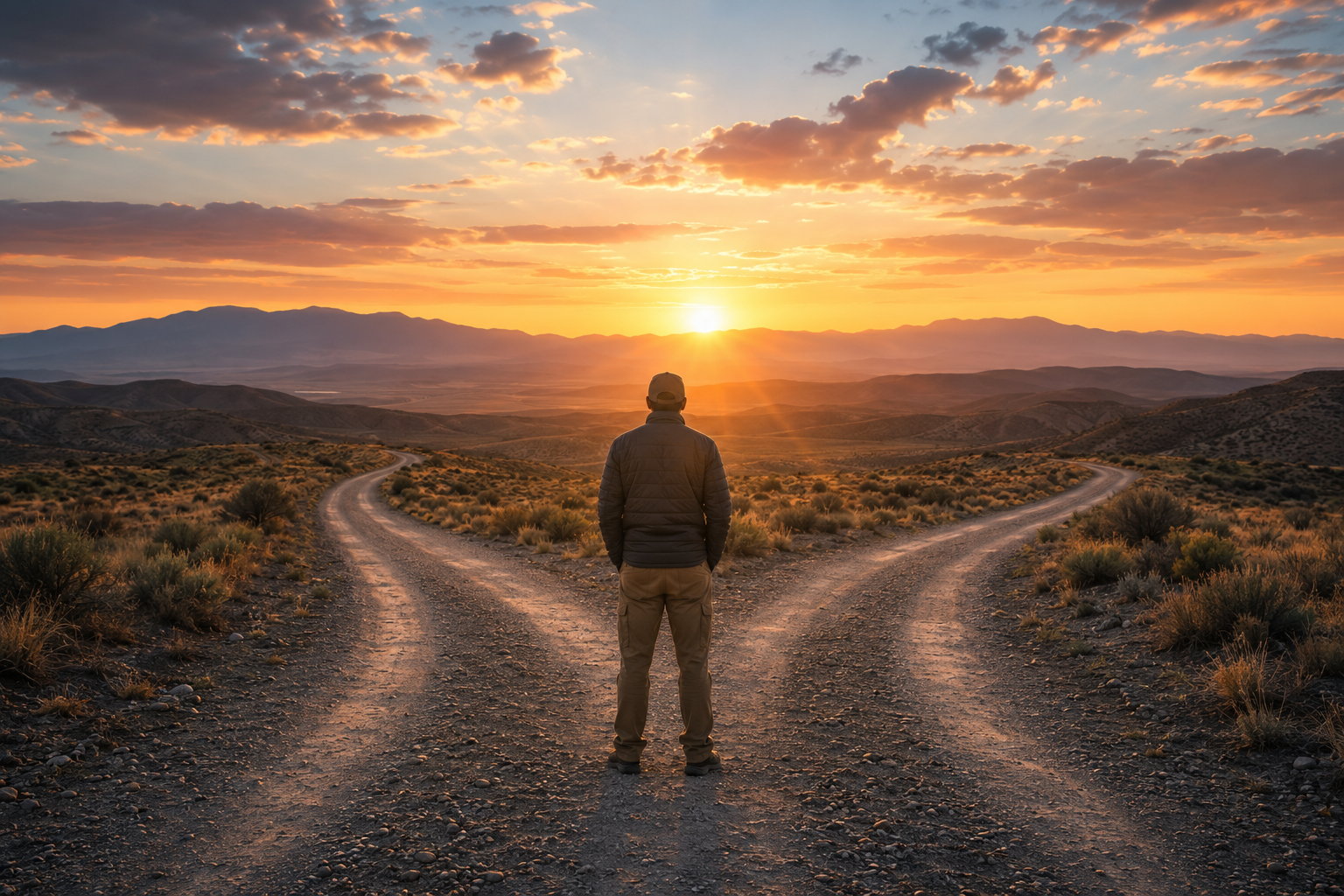
There is a part of freedom that rarely makes it into the photographs. It is not the open road, the empty campsite, or the morning when you wake up with nowhere you have to be. It is the quiet moment after the outside voices begin to fade, when you realize you are no longer certain how to hear your own.
Nomadic by Nature is a reader-supported publication. To receive new posts and support my work, consider becoming a free or paid subscriber.
For much of our lives, decisions are shaped by schedules, responsibilities, expectations, and the opinions of people around us. That structure can be useful. Sometimes it’s necessary. But after living inside it long enough, we can lose confidence in our ability to decide anything without permission, reassurance, or approval.
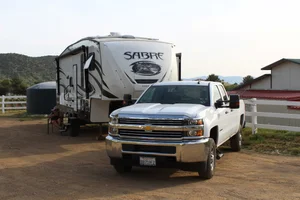
When I began living on the road full-time on July 17, 2017, I believed I was choosing freedom. I had sold my townhome and moved into a twenty-seven-foot fifth wheel, stepping away from the life I had known. What I didn’t understand yet was how much of that old life I had packed along with me. I had changed my surroundings, but I still questioned my instincts. I still searched for confirmation. I still wondered whether someone else knew better than I did what my life should look like.
The road did not immediately teach me to trust myself. It gave me the space to begin learning.
Freedom Exposes the Habit of Asking Permission. I spent twenty-one years in the Navy, followed by thirteen years working full-time before I began my life on the road. Those environments came with structure, procedures, schedules, and chains of command. You learned what was required of you, and you completed the task. That discipline served me well. It also meant much of my life had been organized around external direction.
Even after I chose a less traditional life, part of me still looked outside myself for instructions. Was this the right route? Was I staying too long, or leaving too soon? Was this campsite safe? Had I bought the right rig? Was I being responsible, or just running away?
Sometimes I asked for advice because I genuinely needed information. Other times, I wasn’t looking for information at all. I was looking for permission. That’s one of the more complicated truths about freedom: removing the rules doesn’t automatically remove your need for them. You can leave the structure behind and still carry an invisible authority figure inside your mind.
The Voice Beneath the Noise: Learning to trust yourself begins with recognizing how much noise you’ve mistaken for your own voice, family, society, social media, fear. Fear has a convincing voice. It can make hesitation sound like wisdom and conformity sound like responsibility. The difficult part is separating fear from intuition.
Fear usually speaks urgently. It demands certainty before movement. Intuition is quieter, and it doesn’t always explain itself; it just tells you to pause, or leave, or stay, or take another look. There have been campsites that looked perfect in photos but didn’t feel right in person. There have been travel days when everything in me said stop, even though the miles remaining seemed manageable. Not every uncomfortable feeling is a warning, but not every warning should be dismissed just because it can’t be explained immediately. Self-trust is the willingness to pay attention.
Self-Trust Is Built Through Small Decisions Self-trust isn’t a permanent state of confidence. It’s built through ordinary decisions repeated over time and while choosing a route and accepting responsibility for where it leads, resting without defending your need for rest, leaving a place that doesn’t feel right even when everyone else seems comfortable there, saying no without a detailed explanation.
The first few of these decisions feel uncomfortable. You may reach for your phone looking for someone to confirm what you already know. Over time, something shifts. You start remembering the times you listened to yourself and were glad you did, and the times you ignored yourself and wished you hadn’t. You begin collecting evidence that your instincts are worthy of consideration. That’s how trust grows: not through one dramatic act of courage, but through hundreds of small moments where you stop abandoning yourself.
Mistakes Do Not Make You Untrustworthy. I’ve made mistakes on the road, routes I should have avoided, places I stayed too long, gear that didn’t meet my needs, weather and distance and expenses I underestimated. For a while, I treated those mistakes as proof I needed to be more cautious, gather more opinions, wait until I felt completely certain.
Complete certainty rarely arrives. Eventually I understood that making an imperfect decision didn’t mean I couldn’t trust myself, it meant I was human, gathering information through experience. Trusting yourself doesn’t mean believing you’ll always be right. It means believing you can respond when you’re wrong. You can adjust, apologize, turn around, repair what can be repaired, and make a different decision next time. The ability to recover is a far stronger foundation for self-trust than the expectation of perfection.
Advice Is Information, Not Authority. Living independently doesn’t mean refusing advice. I still ask questions, still consult people with more experience, still check weather, road conditions, and reviews. Trusting yourself doesn’t require ignoring expertise; it requires understanding the difference between receiving advice and surrendering authority over your life.
Other people can offer information, but they can’t fully understand the context of your decision. They don’t live inside your history, your fears, your limitations, your desires. What worked for them may not work for you. What frightens them may not frighten you. Advice belongs in the decision-making process, not above it. Listen carefully, ask questions, consider the consequences, then remember you’re the one who has to live with the answer.
Trusting Yourself Does Not Mean Being Fearless. Nine years on the road haven’t turned me into someone who faces every decision with total confidence. There are still unfamiliar roads, unexpected repairs, and moments when the future feels uncertain. Self-trust doesn’t eliminate fear; it changes your relationship with it.
You stop treating fear as the one in charge. You acknowledge it, examine what it’s trying to tell you, and decide whether it’s pointing to a genuine risk or just reacting to something unfamiliar. Then you decide to move forward, to wait, or to walk away. What matters is that the decision belongs to you. There’s a quiet strength in being able to say, “I am uncertain, but I trust myself to take the next responsible step.”
The Road Became a Mirror. The road didn’t give me self-trust. It reflected the places where I had lost it. It showed me how often I looked for reassurance before honoring what I already felt, and how easily I could mistake someone else’s confidence for greater wisdom. Most importantly, it gave me the chance to watch myself recover, solving problems, adapting, correcting course, finding my way through unfamiliar places. That evidence didn’t arrive all at once. It accumulated mile by mile, repair by repair, mistake by mistake.
Coming Back to Yourself: Learning to trust yourself again isn’t about becoming stubborn or refusing to reconsider your choices. It’s about returning to a relationship with yourself that may have been neglected for years of listening before automatically dismissing what you feel, speaking to yourself with the patience you’d offer someone you love, keeping the small promises you make to yourself, and recognizing the difference between seeking wisdom and seeking permission.
Freedom is often described as the ability to go wherever you want. I’ve come to believe a deeper form of freedom is the ability to hear yourself clearly and act without constantly asking the world to approve.
That kind of trust isn’t given to you. It’s practiced, built each time you make a thoughtful decision, accept the outcome, and stay present for whatever comes next.
Nomadic by Nature is a reader-supported publication. To receive new posts and support my work, consider becoming a free or paid subscriber.
After nine years on the road, I still ask questions. I still make mistakes. But I no longer believe someone else has to understand my direction before I’m allowed to take it. I have learned that trusting yourself isn’t believing you’ll never lose your way.
It’s knowing that when you do, you’re capable of finding your way back.